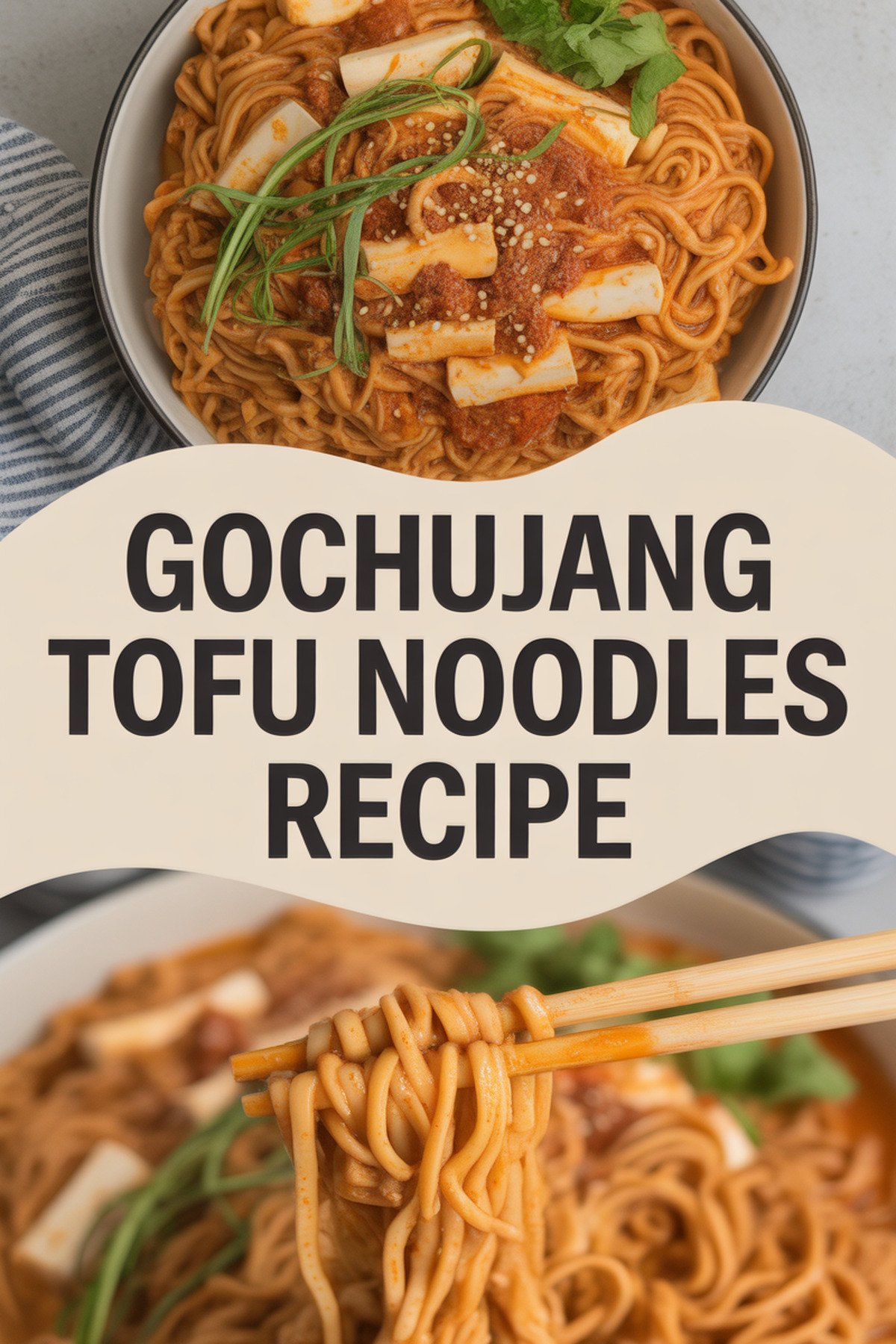
Gochujang Tofu Noodles Recipe
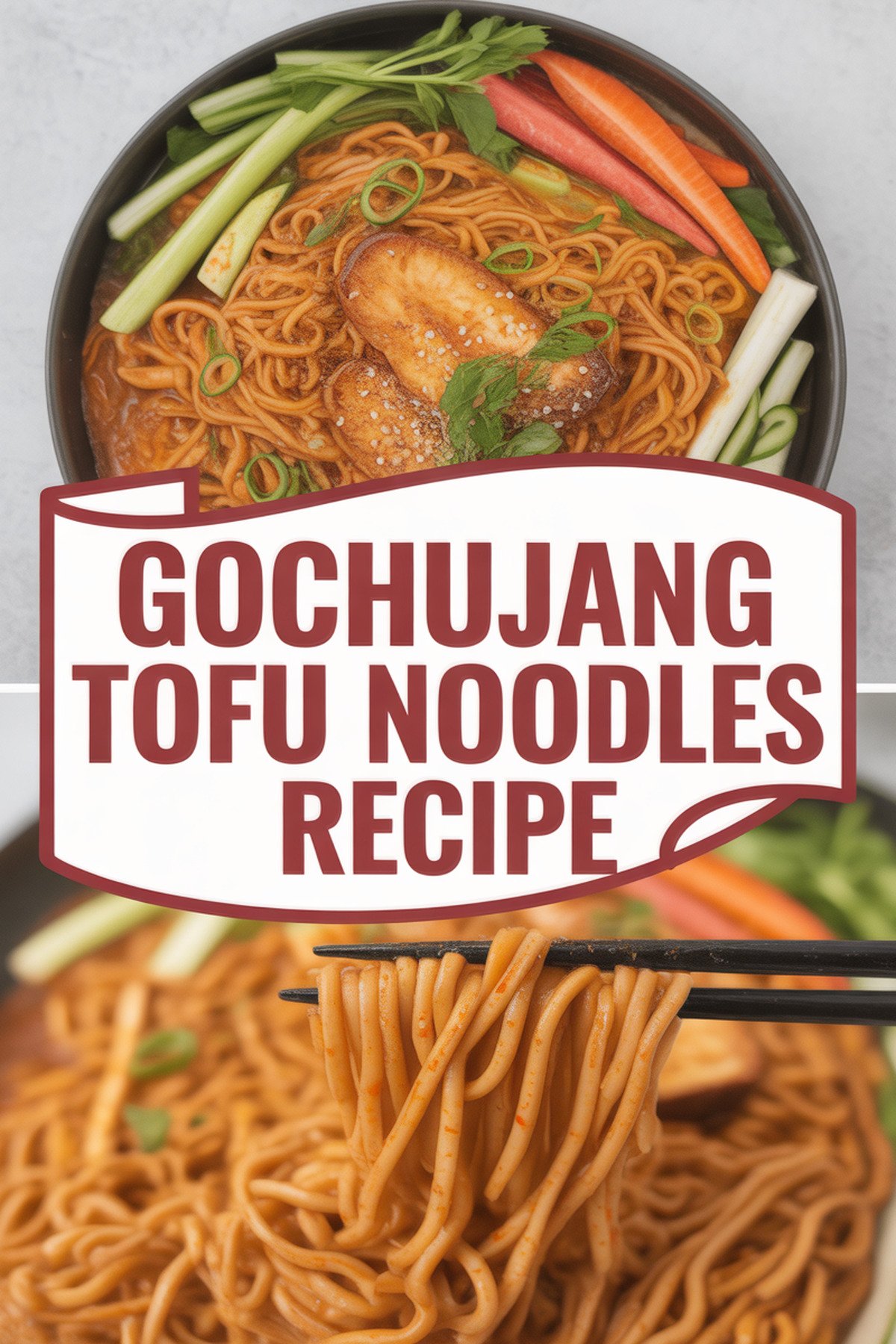
Gochujang tofu noodles have become a staple in my kitchen because they strike the perfect balance between spicy, savory, and satisfying. I appreciate how quickly this dish comes together on busy weeknights, yet it feels like a thoughtful meal. The tofu crisps up nicely while the noodles soak in the rich, slightly sweet heat of the gochujang sauce.
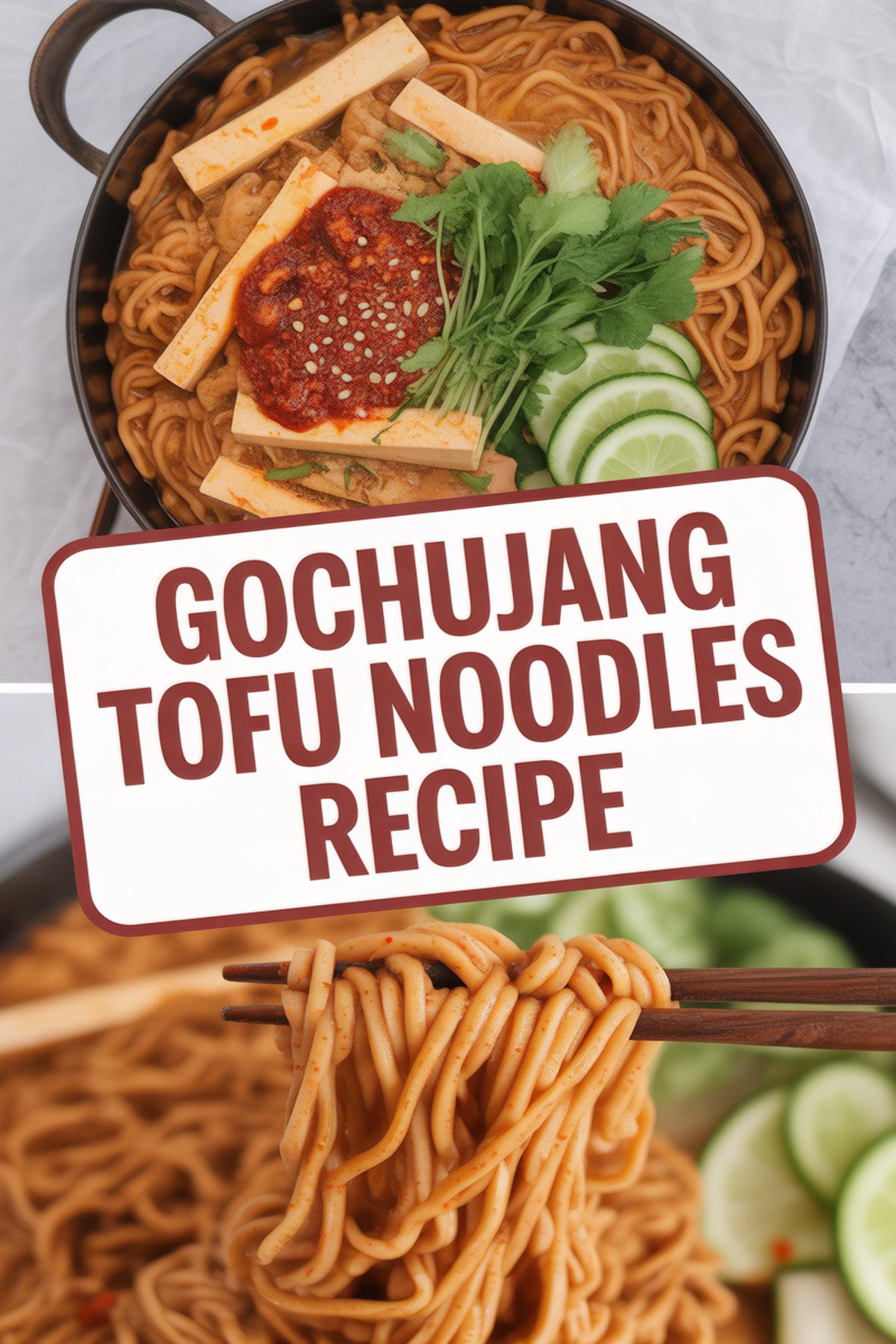
I usually serve this dish with a sprinkle of toasted sesame seeds and fresh scallions for a bit of crunch and brightness. The aroma of the fermented chili paste mingling with garlic and ginger fills the kitchen, making it a comforting dish to prepare. The noodles have a pleasant chew, complemented by the tender but firm tofu cubes.
This recipe is versatile and easy to adjust depending on what you have on hand, which makes it a reliable go-to. It’s great for lunch or dinner, and leftovers reheat well, keeping their flavor intact. I’ve found it’s a crowd-pleaser even among those who don’t usually seek out spicy food.
Quick Facts
| Servings | 2-3 servings |
|---|---|
| Prep Time | 10 minutes |
| Cook Time | 15 minutes |
| Total Time | 25 minutes |
Why You’ll Love It
This gochujang tofu noodles recipe is a quick, flavorful meal that combines spicy Korean chili paste with crispy tofu and tender noodles. It’s perfect for anyone looking for a plant-based dish that doesn’t skimp on bold taste or satisfying texture.
- Quick and easy to prepare, perfect for busy weeknights.
- Delivers a satisfying combination of spicy, sweet, and savory flavors.
- Crispy tofu adds a delightful texture contrast to tender noodles.
- Uses simple, accessible ingredients with authentic Korean flair.
- Versatile recipe that adapts well to different vegetables and noodles.
Ingredients
The ingredient list is straightforward and uses common pantry items with a few Korean staples like gochujang and sesame oil. You’ll want firm tofu for the best texture and your choice of noodles—rice or wheat noodles work well here.
- 200g firm tofu, pressed and cut into 1-inch cubes
- 150g noodles (rice noodles or wheat noodles)
- 2 tablespoons gochujang (Korean chili paste)
- 1 tablespoon soy sauce
- 1 tablespoon sesame oil
- 1 tablespoon vegetable oil (for frying)
- 1 teaspoon sugar or honey
- 2 cloves garlic, minced
- 1 teaspoon grated fresh ginger
- 1/2 cup sliced scallions (white and green parts separated)
- 1/4 cup water or vegetable broth
- 1 tablespoon toasted sesame seeds
- Optional: 1/2 cup shredded carrots or bell pepper strips
Step-by-Step Instructions
Follow these steps to achieve crispy tofu cubes coated in a flavorful gochujang sauce, tossed with perfectly cooked noodles and fresh vegetables. The process is quick and straightforward, ideal for a weeknight meal.
- Cook the noodles according to package instructions until al dente. Drain and set aside.
- Heat vegetable oil in a large skillet over medium-high heat. Add tofu cubes and fry until golden and crispy on all sides, about 8-10 minutes. Remove tofu and set aside.
- In the same skillet, reduce heat to medium and add sesame oil. Sauté garlic, ginger, and the white parts of scallions until fragrant, about 1-2 minutes.
- Add gochujang, soy sauce, sugar, and water or broth. Stir to combine and cook for 2 minutes until the sauce thickens slightly.
- Add the cooked noodles, tofu, and optional vegetables to the skillet. Toss everything gently to coat evenly with the sauce and heat through, about 2-3 minutes.
- Remove from heat and garnish with green scallion parts and toasted sesame seeds before serving.
Chef Tips
Here are some practical tips to get the best texture and flavor from your gochujang tofu noodles. These small adjustments can make a big difference in the final dish.
- Press tofu well to remove excess moisture for crispier cubes.
- Use medium-high heat when frying tofu to get a golden crust without sticking.
- Adjust gochujang quantity to control spice level.
- Add vegetables like bell peppers or carrots for extra crunch and color.
- Toss noodles immediately after cooking to prevent sticking.
Substitutions
If you don’t have certain ingredients on hand or want to customize the dish, here are some easy substitutions that maintain the dish’s character.
- Use tamari or coconut aminos instead of soy sauce for gluten-free options.
- Swap firm tofu with tempeh or seitan for different textures.
- Replace sesame oil with peanut or avocado oil if unavailable.
- Use spaghetti or udon noodles if rice noodles aren’t accessible.
- Honey can be replaced with maple syrup or brown sugar.
Storage & Reheating
Store leftovers properly to keep the noodles and tofu tasting fresh. Reheating is simple and maintains the dish’s texture when done right.
- Refrigerate in an airtight container for up to 3 days.
- Reheat gently in a skillet over medium heat, adding a splash of water if needed.
- Avoid microwaving for long periods to prevent tofu from becoming rubbery.
- Do not freeze noodles as texture may degrade.
Perfect Pairings
Pair this dish with simple sides or beverages that complement its spicy and savory profile without overpowering it.
- Light cucumber salad with rice vinegar dressing
- Steamed or sautéed bok choy
- Chilled green tea or a light lager beer
- Miso soup as a starter
FAQs
Here are answers to some common questions about making and enjoying gochujang tofu noodles.
Nutritional Note
This dish provides a good balance of plant-based protein from tofu and carbohydrates from noodles, with moderate fat content from sesame and vegetable oils. Exact values vary by ingredient brands and portion sizes.